The Bookstore Tragedy That Changed Everything
Welcome to the Bookberry newsletter – where we're building the bridge between readers and their next great book.

The Moment Everything Became Clear
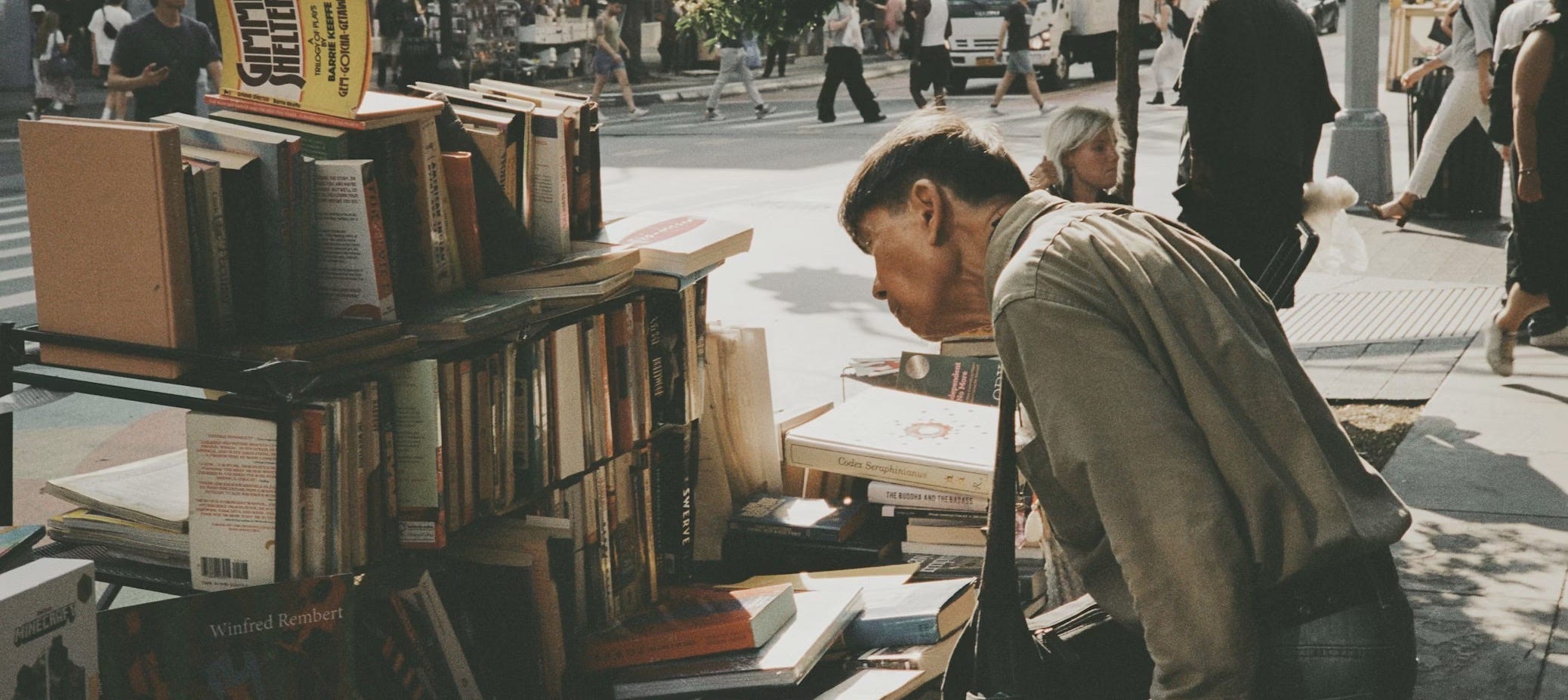
This one still stings.
I picked up a book at my local bookstore. Beautiful cover. Intriguing back-cover copy. I was 70% sure I'd love it, but that nagging 30% doubt crept in.
What if I don't like it? What if it's not what I think it is?
I put it back on the shelf. Checked online later. Read reviews. Convinced myself. Then bought it online instead.
That's when I realized: bookstores aren't losing because they're outdated – they're losing because discovery is broken.
I wasn't alone in this betrayal. The research confirms this pattern is everywhere. In the UK, 63% of book buyers admit to showrooming behavior, with younger readers hitting 76%. In the US, 40% of Americans have browsed in stores but bought online. Independent bookstores have been forced to shift 29.6% of their revenue online, up from just 1.3% in 2018.
But here's what really hit me: I wanted to buy from the bookstore. I loved the experience of being there, the serendipity of discovery, the expertise of the staff. The only thing stopping me was that gap between curiosity and confidence.
I've Been There. I've Lived This Frustration.
This wasn't just one bad decision. This was my entire reading life.
I'd devoured mystery series and then spent months wandering bookstores, lost. I'd found perfect books on vacation and then lost them forever because I forgot to write down the title. I'd gotten trapped in algorithmic recommendation loops that kept suggesting the same safe choices.
Research shows that 64% of readers still rely on personal recommendations from friends and family as their primary way to discover books. Despite having more recommendation tools than ever before, we're still essentially asking our neighbor, "What should I read next?"
Meanwhile, Amazon's recommendation system, despite analyzing billions of data points, achieves only 63.8% accuracy. Goodreads processes 20 billion pieces of data but still produces recommendations that frustrate users daily. Even the most sophisticated systems fail at the nuanced matching that reading requires.
I realized I wasn't the problem. The entire system was broken.
The Real Problem Nobody Was Talking About
Here's what became clear after living through this frustration repeatedly: readers want to discover amazing books, bookstores want to sell books to readers who'll love them, and authors want their work to find the right audience.
But there's no effective bridge between curiosity and confidence. No way to turn "this looks interesting" into "I know I'll love this."
The gap isn't about technology or convenience. It's about trust. When I pick up a book, I need to feel confident that the next few hours of my life will be worth it. Algorithms can't give me that feeling. Reviews from strangers can't either.
But standing in that bookstore, holding that book, I was 70% of the way there. Something about the physical experience, the context, the serendipity of the moment had already convinced me this was my book. I just needed that final push to confidence.
Why I Started Building Bookberry
That moment in the bookstore haunted me because it represented a systemic failure. Here was a perfect match – me, the book, the moment – and the system couldn't close the deal.
So I started building Bookberry to solve the problem I'd lived through dozens of times.
We're creating a platform that will turn curious browsers into confident buyers. Where readers can discover their next obsession, bookstores can help customers make better choices, and the entire book ecosystem thrives.
Think of it as your personal reading compass – helping you navigate from "this looks interesting" to "I know I'll love this."
We're not there yet. But we're building it, one feature at a time.
What You'll Get Here
This newsletter isn't about book reviews or industry news, though we might touch on both. It's about the journey of building something that could change how we discover books.
You'll get insights into the psychology of reading discovery and why we choose the books we do. We'll share stories from real readers about their discovery wins and frustrations. You'll see how independent bookstores are innovating to fight back against the algorithms.
Most importantly, you'll get a front-row seat to building Bookberry. The beta insights, the user feedback, the pivots and breakthroughs. Because we're not just building a product – we're building it publicly, with input from readers who've lived through the same frustrations.
Think of this as your front-row seat to watching a solution emerge from a problem we've all experienced.
Have You Been There Too?
I shared the moment that led to Bookberry. Now I want to hear about yours.
What's your biggest reading discovery frustration?
Is it finding books similar to ones you loved? Getting stuck in recommendation loops? Feeling overwhelmed by choice? Or maybe you have your own bookstore tragedy story?
Hit reply and tell me. I read and respond to every single email.
Because here's the thing: Bookberry isn't just being built by someone who lived this problem – it's being built WITH readers who've lived it too. Your frustrations become our features. Your discoveries become our inspiration. Your feedback shapes what we build next.
This is your chance to influence a product while it's still taking shape, built by someone who's been exactly where you are.
Welcome to the community. Let's build the future of reading discovery together.
– Aashish, Co-Founder bookberry.club
P.S. I still think about that book I should have bought at the bookstore. We're building Bookberry so that moment never has to happen again – for any of us.
Want to see what we're building? Check out bookberry.club for early access to our beta and to join the conversation about what features matter most to readers who've lived through discovery frustration.